
Key Takeaways
- Transitioning to intermodal rail shipping on the Toronto-to-Vancouver lane reduces greenhouse gas emissions by up to 75% compared to over-the-road trucking.
- Shippers can drastically lower their 40-foot container cost by avoiding the volatile fuel surcharges associated with long-haul highway transport.
- Utilizing both CN Rail and CPKC networks provides a high-capacity hedge against supply chain disruptions across the 4,300-kilometer transcontinental corridor.
- RailGateway specializes in the Toronto-to-Vancouver lane, offering deep discounted rates for businesses looking to switch from truck to rail with RailGateway.

Optimizing freight shipping Toronto to Vancouver requires a strategic shift from volatile over-the-road trucking to high-capacity intermodal rail shipping. Businesses moving full container loads across Canada’s longest domestic corridor secure a massive competitive advantage by leveraging the national rail network. When logistics executives evaluate their western supply chain, the sheer distance of the transcontinental lane demands a solution that prioritizes stability, predictable pricing, and massive volume capabilities. Relying solely on highway transport exposes your bottom line to fluctuating diesel prices, severe weather delays through the Rocky Mountains, and chronic driver shortages.
By embracing intermodal rail shipping for this transcontinental lane, supply chain leaders can strip away the complexity of long-haul logistics. RailGateway provides a streamlined, single point of entry for businesses to move 40-foot containers with executive-level reliability. Our team brings over 35 years of Canadian logistics experience to the table, ensuring that your westbound logistics strategy is built on data-backed insights and operational excellence. We arrange the freight using Canadian National Railway (CN) and Canadian Pacific Kansas City (CPKC) equipment, acting as an asset-free brokerage that delivers 100% pricing transparency. This approach serves as a stable, high-capacity hedge against the rising costs of traditional road freight.
The Strategic Advantage of Freight Shipping Toronto to Vancouver by Rail
Transitioning your westbound freight to the rail network strips away highway volatility and delivers executive-level reliability across the 4,300-kilometer transcontinental corridor. The journey from Southern Ontario to the Lower Mainland of British Columbia is fraught with geographical and meteorological challenges. Trucks navigating the Trans-Canada Highway must contend with the unpredictable conditions of the Canadian Shield and the treacherous mountain passes of Alberta and BC. These factors inevitably lead to delayed transit times and inflated operational costs.
When evaluating this corridor, the strategic advantage of rail becomes undeniable. A single freight train can remove up to 300 trucks from congested highways, significantly reducing road wear and logistics overhead according to the Railway Association of Canada. This massive consolidation of volume allows B2B shippers to move substantial quantities of commercial goods without the friction of managing dozens of individual truckload carriers.
For companies actively switching from truck to rail Ontario to BC freight, the operational benefits extend far beyond simple capacity. Rail shipping provides a highly structured, scheduled environment. Trains depart and arrive at commercial rail ramps with a level of predictability that long-haul trucking simply cannot match. This reliability is crucial for manufacturing facilities, distribution centers, and wholesale operations that depend on just-in-time inventory models. By integrating Ontario to BC rail freight into your core strategy, you insulate your supply chain from the localized disruptions that frequently paralyze highway transport.
Furthermore, the scale of intermodal rail shipping allows businesses to scale their operations seamlessly. Whether you are moving a single 40-foot container or coordinating a multi-container weekly allocation, the rail network absorbs the volume effortlessly. This scalability is a primary reason why smart logistics managers are abandoning the fragmented trucking market in favor of the unified, high-capacity environment of the Canadian railway system. Learn more about intermodal rail shipping to see how this shift can transform your operations.
Analyzing 40-Foot Container Cost and ROI
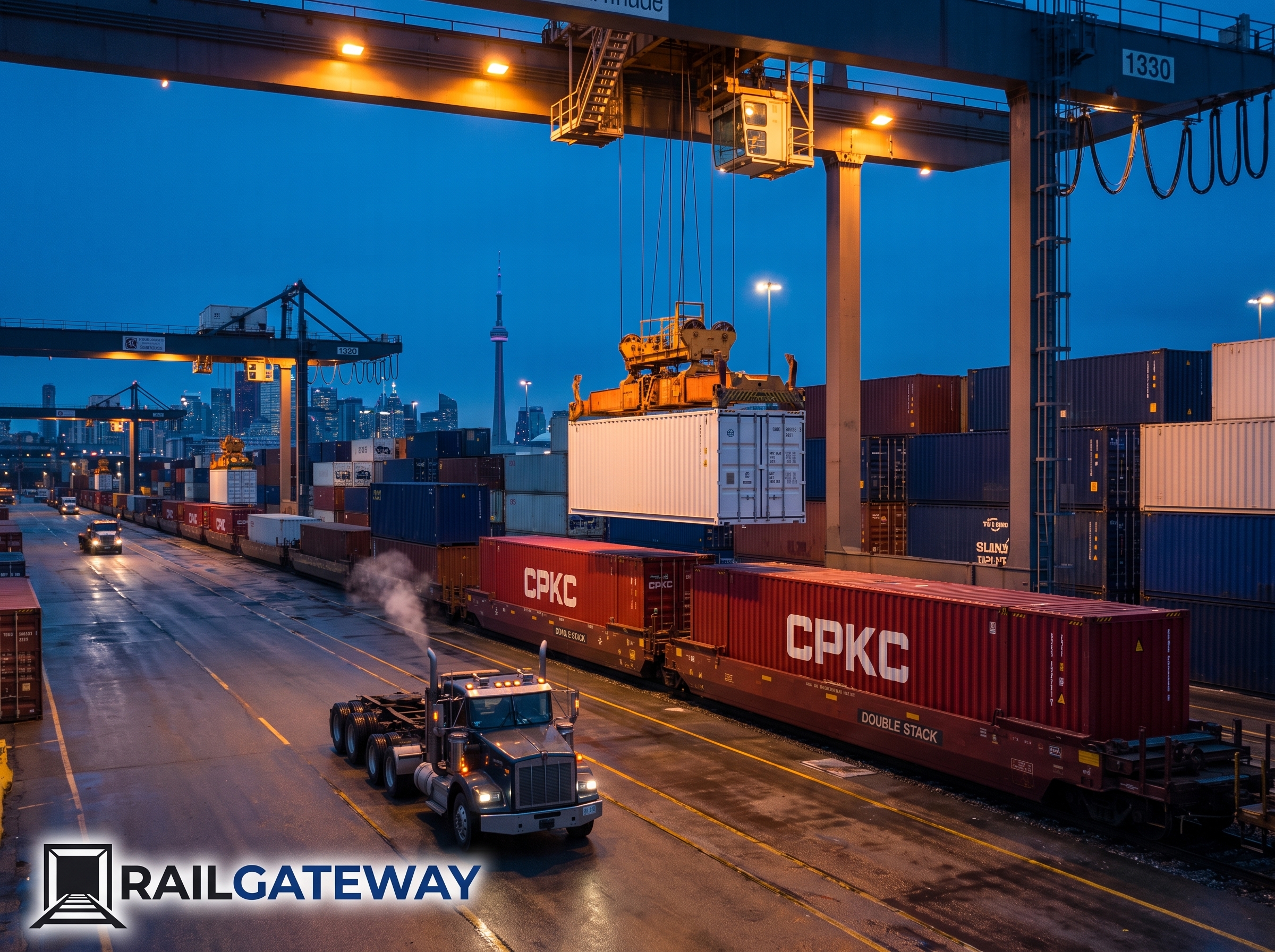
Shippers drastically reduce transportation spend on freight shipping Toronto to Vancouver by locking in stable intermodal rates that eliminate the unpredictable fuel premiums associated with long-haul trucking. The financial mechanics of moving goods across the country dictate that fuel consumption is the largest variable expense. Because trains are exponentially more fuel-efficient than trucks, the baseline cost of moving goods via rail is inherently lower.
Understanding your 40-foot container cost requires a deep dive into the total cost of ownership for your logistics lane. Over-the-road carriers must factor in driver wages, highway tolls, overnight accommodations, and massive diesel consumption for a 40-plus hour drive. Conversely, rail shipping consolidates these expenses. The cost per ton-mile plummets when you stack hundreds of containers on a single locomotive. This efficiency translates directly into improved profit margins for your business.
When you partner with an asset-free brokerage, you gain access to RailGateway Toronto to Vancouver pricing, which guarantees 100% transparency. RailGateway has very competitive rates for freight shipping Toronto to Vancouver, sometimes up to 50% off standard highway transport costs. We strip away the hidden fees and complex tariff structures often associated with direct carrier negotiations. You receive a clear, dock-to-dock or ramp-to-ramp rate for your FCL shipments. This transparency allows financial controllers and supply chain directors to forecast their quarterly logistics spend with absolute precision.
Truck vs. Rail on the Western Corridor
| Logistics Metric | Over-the-Road Trucking | Intermodal Rail Freight |
|---|---|---|
| Cost Volatility | High (Subject to weekly fuel surcharge spikes) | Low (Stable, long-term rate structures) |
| Capacity Limits | Constrained by driver availability and cab limits | Massive (Hundreds of containers per train) |
| Carbon Footprint | High emissions per ton-mile | 75% lower emissions than road freight |
| Weather Resilience | Vulnerable to highway closures and ice storms | Highly resilient track infrastructure |
By analyzing this data, it becomes clear that optimizing your 40-foot container cost is not just about finding a cheaper rate. It is about securing a fundamentally superior transportation model. The ROI of freight shipping Toronto to Vancouver by rail is measured in both hard dollar savings and the mitigation of costly supply chain interruptions. Get an instant quote today to benchmark your current highway spend against our transparent rail pricing.

Navigating Capacity with CN Rail Toronto to Vancouver
Utilizing the northern transcontinental route provides shippers with a high-capacity hedge against supply chain disruptions and guarantees consistent westbound transit schedules. As one of the two major Class 1 railways in the country, CN operates a vast and highly optimized network. Their infrastructure is specifically engineered to handle massive volumes of domestic and international freight, making them a cornerstone of any robust logistics strategy.
When executing these long-haul shipments, leveraging CN’s network means tapping into a streamlined corridor that bypasses major metropolitan congestion zones. The journey typically begins at the Brampton Intermodal Terminal, a massive facility designed for rapid container processing. From there, the freight moves efficiently across the prairies and through the mountains, arriving at the Vancouver Intermodal Terminal ready for local drayage to your commercial dock.
Understanding the specific dynamics of CN Rail Toronto to Vancouver routing is essential for maximizing your supply chain efficiency. CN utilizes precision scheduled railroading principles to ensure that trains depart on time and maintain consistent velocity across the network. This operational discipline translates into highly reliable transit times for your 40-foot containers.
For businesses moving heavy industrial materials, consumer packaged goods, or manufacturing components, the CN Rail Toronto to Vancouver lane offers unparalleled capacity. During peak shipping seasons when truck availability evaporates, the rail network continues to absorb volume. This reliability is why RailGateway exclusively arranges freight on CN and CPKC equipment, ensuring our clients never face the capacity crunches that plague the over-the-road market. By integrating this specific routing into your broader supply chain strategy, you secure a permanent advantage over competitors who remain reliant on volatile highway carriers.
Leveraging CPKC Intermodal Ontario to BC for Supply Chain Resilience
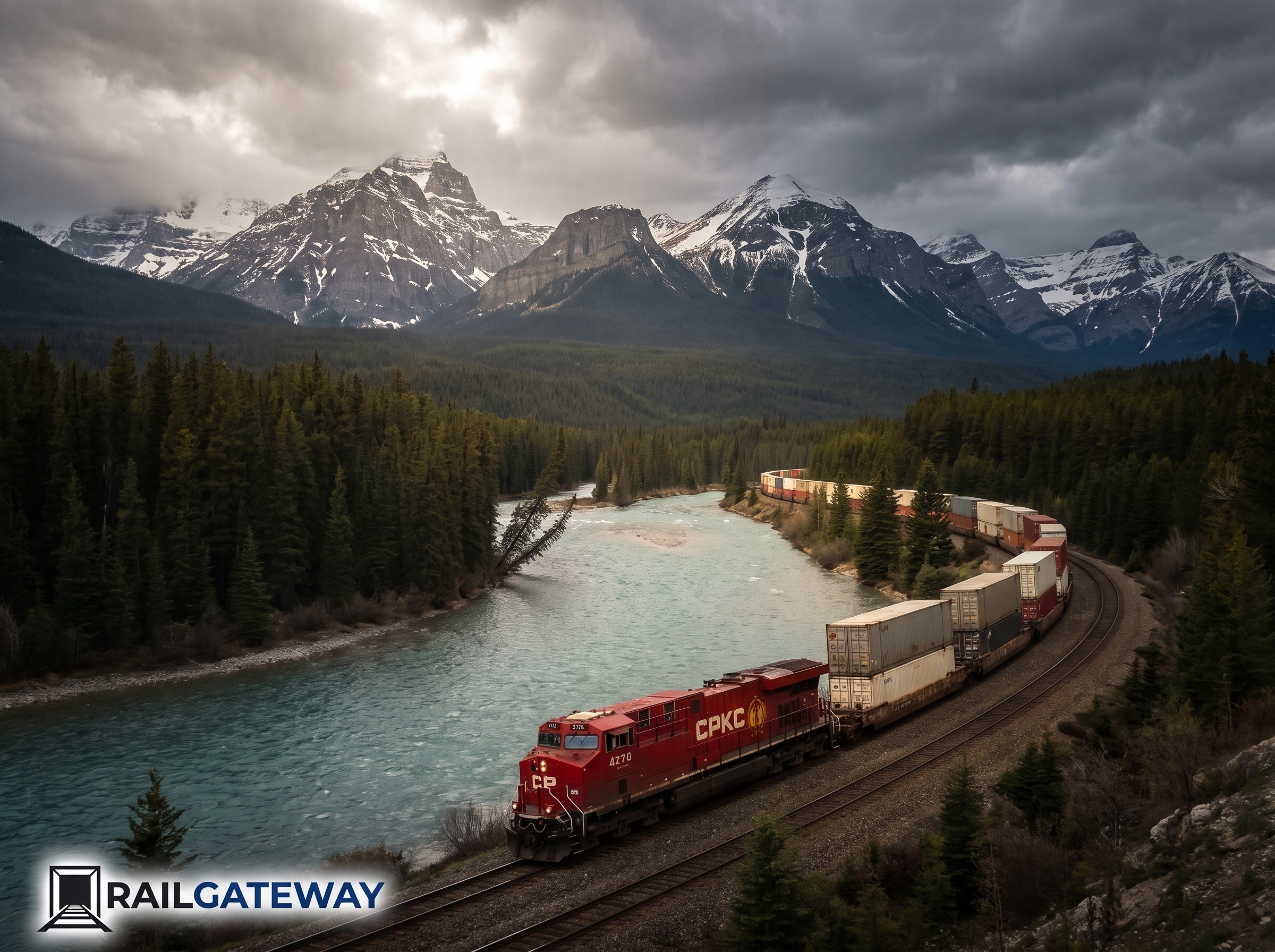
Integrating a secondary Class 1 railway into your logistics strategy ensures uninterrupted freight movement and protects your margins during peak shipping seasons. While CN provides a formidable northern route, CPKC offers a highly competitive southern transcontinental corridor. This dual-network reality is the ultimate advantage of the Canadian rail system, providing shippers with built-in redundancy and flexible routing options.
Executing CPKC intermodal Ontario to BC shipments allows businesses to diversify their carrier reliance. If a localized weather event or infrastructure upgrade temporarily impacts one network, the other remains fully operational. This strategic redundancy is critical for maintaining the flow of goods across the country. When you are managing this critical lane, having access to both major railways through a single brokerage partner eliminates the risk of total supply chain paralysis.
CPKC operates state-of-the-art terminals, including their primary hub in Vaughan, Ontario, and their destination ramps in Pitt Meadows and Vancouver. The CPKC intermodal Ontario to BC service is renowned for its specialized handling of domestic 40-foot containers, offering a seamless dock-to-dock experience for B2B shippers. Their recent network integrations have further optimized transit times, making them a highly attractive option for time-sensitive commercial freight.
By utilizing CPKC intermodal Ontario to BC for westbound shipments, logistics managers can effectively benchmark performance and secure the best possible transit schedules for their specific cargo. RailGateway simplifies this process. We analyze your specific requirements and route your Ontario to BC rail freight on the optimal network, ensuring you receive the highest level of service without the administrative burden of managing multiple direct carrier relationships. This approach guarantees that your transcontinental operations remain agile, resilient, and cost-effective year-round.
Equipment Specifications: Maximizing Your FCL Payload
Optimizing your container payload for this journey requires strict adherence to railway weight restrictions and precise pallet configurations to maximize every cubic foot of space. Rail shipping is a volume-driven business, and success depends on your ability to load 40-foot containers efficiently. Unlike less-than-truckload (LTL) shipping, RailGateway exclusively handles Full Container Load (FCL) movements, meaning you have dedicated use of the entire container for your commercial goods.
When planning your shipments, you must carefully consider the physical limitations of the equipment. The railways enforce strict safety guidelines regarding maximum gross weights and weight distribution. Overloaded or improperly balanced containers will be rejected at the rail ramp, causing severe delays and costly rework. Understanding the 40 foot container weight limit Canada rail regulations is non-negotiable for supply chain planners.
According to CN Rail, the maximum payload for a standard 40-foot dry container is typically capped around 60,000 lbs, though this can vary slightly based on the specific chassis and routing used for the local drayage portion of the move. It is critical to remember that the weight limit is often dictated by the provincial highway regulations governing the truck that delivers the container to your commercial dock, rather than the railcar itself.
Container Optimization Data
- 40-Foot Container Capacity: A standard 40-foot container holds exactly 20 standard pallets (48″ x 40″) when single-stacked.
- Weight Distribution: Cargo must be evenly distributed side-to-side and end-to-end to prevent derailment risks.
- Service Exclusions: RailGateway does not handle shipper-owned containers (SOC), flatbed loads, or bulk commodities like loose grain.
Logistics managers frequently ask how many pallets fit in a 40 ft container when transitioning from standard highway trailers. Knowing that you can fit 20 standard pallets allows you to adjust your purchasing orders and warehouse staging processes accordingly. By mastering these equipment specifications, you ensure that your CN Rail Toronto to Vancouver shipments move flawlessly from origin to destination, maximizing your ROI on every single load.
Handling Specialized Cargo: Refrigerated Containers and Hazardous Materials
When evaluating this route, moving temperature-sensitive or dangerous goods requires specific equipment and strict regulatory compliance. Refrigerated containers are available on the rail network to maintain precise temperature controls for food and beverage products across the transcontinental journey. Shipping hazardous materials via intermodal rail shipping is highly regulated but entirely feasible, provided shippers supply accurate safety data sheets and ensure proper placarding. Partnering with an experienced brokerage ensures these complex requirements are met without delaying your supply chain.
Why Partner with a Toronto to Vancouver FCL Rail Brokerage
An asset-free intermodal partner consolidates complex railway networks into a single point of entry with complete pricing transparency and dedicated operational support. Navigating the bureaucratic layers of Class 1 railways can be a daunting task for businesses whose primary focus is manufacturing or distribution. Direct negotiations often require massive volume commitments and dedicated internal logistics teams just to manage the daily tracking and tracing.
By utilizing a specialized Toronto to Vancouver FCL rail brokerage, you bypass these administrative hurdles entirely. RailGateway acts as your dedicated intermodal engine. We leverage our aggregate volume and 35-plus years of Canadian logistics experience to secure premium capacity and highly competitive rates. You receive the operational benefits of the massive CN and CPKC networks without the traditional rail overhead.
This single point of entry is transformative for your western shipping strategy. Instead of logging into multiple carrier portals, managing separate drayage providers, and deciphering complex invoices, you deal with one dedicated logistics specialist. We handle the entire door-to-door movement, coordinating the empty container drop at your Ontario facility, the drayage to the rail ramp, the transcontinental rail journey, and the final delivery to your BC destination.
Furthermore, our commitment to 100% pricing transparency means you always know exactly what your 40-foot container cost will be. There are no surprise accessorial charges or hidden markup fees. This level of clarity is rare in intermodal rail shipping, and it empowers our clients to make data-driven decisions about their supply chain. Whether you are moving CPKC intermodal Ontario to BC or utilizing CN’s northern route, a dedicated brokerage ensures your freight is prioritized and protected. Contact a logistics specialist to streamline your western shipping strategy today.
Environmental Impact and Corporate Sustainability on the Western Corridor
Shifting long-haul freight to the rail network drastically lowers your corporate carbon footprint and provides a measurable defense against escalating carbon taxes. In today’s regulatory environment, supply chain sustainability is no longer just a marketing talking point; it is a critical financial metric. The Canadian government has implemented aggressive carbon pricing mechanisms that directly impact the cost of diesel fuel, making over-the-road trucking increasingly expensive.
When you commit to freight shipping Toronto to Vancouver via intermodal rail shipping, you are actively mitigating this financial exposure. Trains are inherently more efficient at moving heavy freight over long distances. The friction between steel wheels and steel track is minimal compared to rubber tires on asphalt. This physical reality allows a single locomotive to move a ton of freight over 500 miles on a single gallon of fuel.
By transitioning your Ontario to BC rail freight, your company can achieve up to a 75% reduction in greenhouse gas emissions compared to highway transport. This massive reduction is a powerful data point for your corporate sustainability reports and ESG (Environmental, Social, and Governance) initiatives. It demonstrates to your stakeholders, investors, and customers that you are taking concrete steps to minimize your environmental impact while simultaneously optimizing your logistics spend.
As carbon taxes continue to rise, the financial gap between trucking and rail will only widen. Smart logistics executives recognize that intermodal rail shipping is not just a cost-saving measure for today; it is a necessary adaptation for the future. By locking in your rail strategy now, you build a resilient, sustainable supply chain that is insulated from the volatility of fossil fuel markets and regulatory penalties.
Protecting High-Value Cargo on the Transcontinental Journey
Securing comprehensive cargo protection shields your bottom line from unforeseen transit disruptions and bridges the gap left by standard railway liability limits. While the Canadian rail network is incredibly safe and reliable, moving freight over 4,300 kilometers inherently involves some level of risk. Severe weather events in the Rocky Mountains, sudden track outages, or localized terminal delays can occasionally impact transit schedules.
When executing these moves, it is vital to understand that RailGateway arranges the freight but is not an insurer. The Class 1 railways (CN and CPKC) offer limited liability coverage that is often based on the weight of the cargo rather than its actual commercial value. For businesses moving high-value electronics, specialized machinery, or premium consumer packaged goods, relying solely on carrier liability is a dangerous financial gamble.
To truly protect your margins on this lane, supply chain managers must implement robust risk mitigation strategies. This includes proper blocking and bracing inside the container, utilizing high-security twist-locks, and securing independent, all-risk cargo coverage. For comprehensive protection tailored to Canadian logistics, shippers often turn to specialized providers like ShipSimple to ensure their high-value freight is fully covered from dock to dock.
By proactively addressing these risks, you ensure that your Ontario to BC rail freight moves securely. Proper preparation and adequate protection allow you to leverage the massive capacity and cost savings of the rail network without exposing your company to catastrophic financial losses in the rare event of a transit incident.
Securing Your Ontario to BC Rail Freight Strategy
Future-proofing your western supply chain demands a proactive shift toward high-capacity intermodal solutions that stabilize costs and guarantee consistent delivery. The era of relying exclusively on volatile over-the-road trucking for transcontinental lanes is over. To maintain a competitive edge, businesses must embrace the scale and efficiency of the Canadian railway system.
By optimizing your freight shipping Toronto to Vancouver strategy with RailGateway, you gain a powerful ally in the complex world of logistics. We provide the expertise, the transparent pricing, and the single point of entry necessary to move your 40-foot containers flawlessly. Whether you are analyzing your 40-foot container cost, evaluating CPKC intermodal Ontario to BC options, or navigating CN’s vast network, our team is ready to execute.
Stop allowing highway volatility to erode your profit margins. Transition your freight shipping Toronto to Vancouver to the most efficient intermodal engine in the country and secure the capacity your business needs to grow. Get an instant quote today and transform your transcontinental supply chain.
Frequently Asked Questions
What is the transit time for freight shipping Toronto to Vancouver by rail?
Transit times for FCL intermodal rail shipping from Toronto to Vancouver typically range from 5 to 7 days ramp-to-ramp. This schedule depends on the specific railway (CN or CPKC) and seasonal weather conditions across the transcontinental corridor.
How does the 40-foot container cost compare between rail and truck?
Intermodal rail shipping is significantly more cost-effective for long-haul lanes like Toronto to Vancouver. By avoiding the high fuel surcharges and driver wages associated with trucking, shippers can drastically reduce their overall transportation spend on the Ontario to BC route. In fact, businesses can see 30-50% savings compared to standard highway transport costs.
What is the 40 foot container weight limit Canada rail enforces?
The maximum payload for a standard 40-foot dry container on Canadian railways is generally capped around 60,000 lbs. However, local provincial highway weight restrictions during the drayage portion often dictate the final allowable gross weight. Shippers must ensure cargo is evenly distributed to meet these strict safety guidelines.
How many pallets fit in a 40 ft container for intermodal rail shipping?
A standard 40-foot intermodal container can accommodate exactly 20 standard pallets (48 inches by 40 inches) when single-stacked. Proper weight distribution and secure blocking are required before the container is accepted at the rail ramp. This allows shippers to optimize their purchasing orders and warehouse staging processes.
How do shippers track containers during the 5 to 7 day transit from Toronto to Vancouver?
Shippers typically track their containers using the digital portals provided by the Class 1 railways or through a dedicated intermodal brokerage. Utilizing a brokerage often provides a single point of entry for daily tracking and tracing, eliminating the need to log into multiple carrier systems. This ensures complete visibility over the freight during the entire 5 to 7 day transcontinental journey.
What liability coverage is provided for high-value cargo on the transcontinental rail journey?
The Canadian Class 1 railways (CN and CPKC) offer limited liability coverage that is often based on the weight of the cargo rather than its actual commercial value. For high-value freight, relying solely on carrier liability is a financial risk. Shippers should secure independent, all-risk cargo coverage to fully protect their goods from dock to dock.
Can shippers move hazardous materials or refrigerated goods via intermodal rail shipping?
Refrigerated containers are available on the Canadian rail network to maintain precise temperature controls for sensitive products. Shipping hazardous materials via CN or CPKC is also feasible, provided shippers supply accurate safety data sheets and ensure proper placarding. Partnering with an experienced logistics provider ensures these complex regulatory requirements are met.